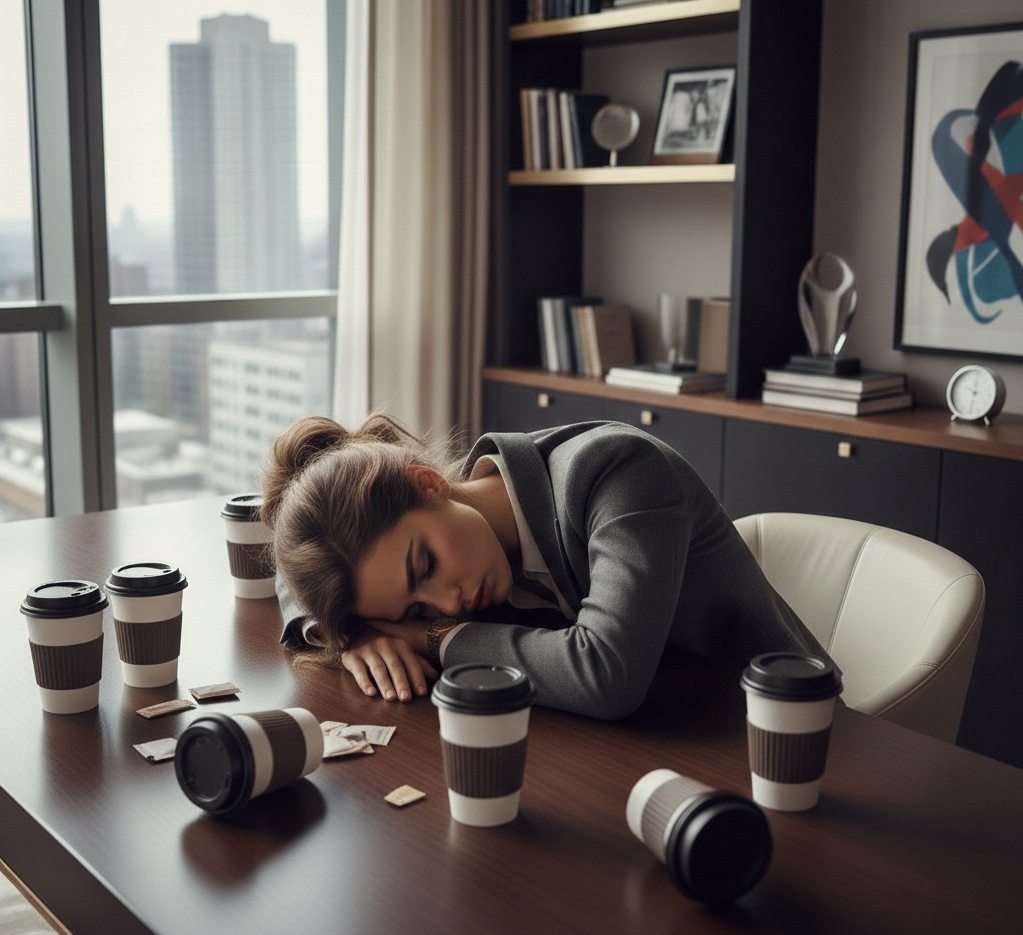
And not pass out…
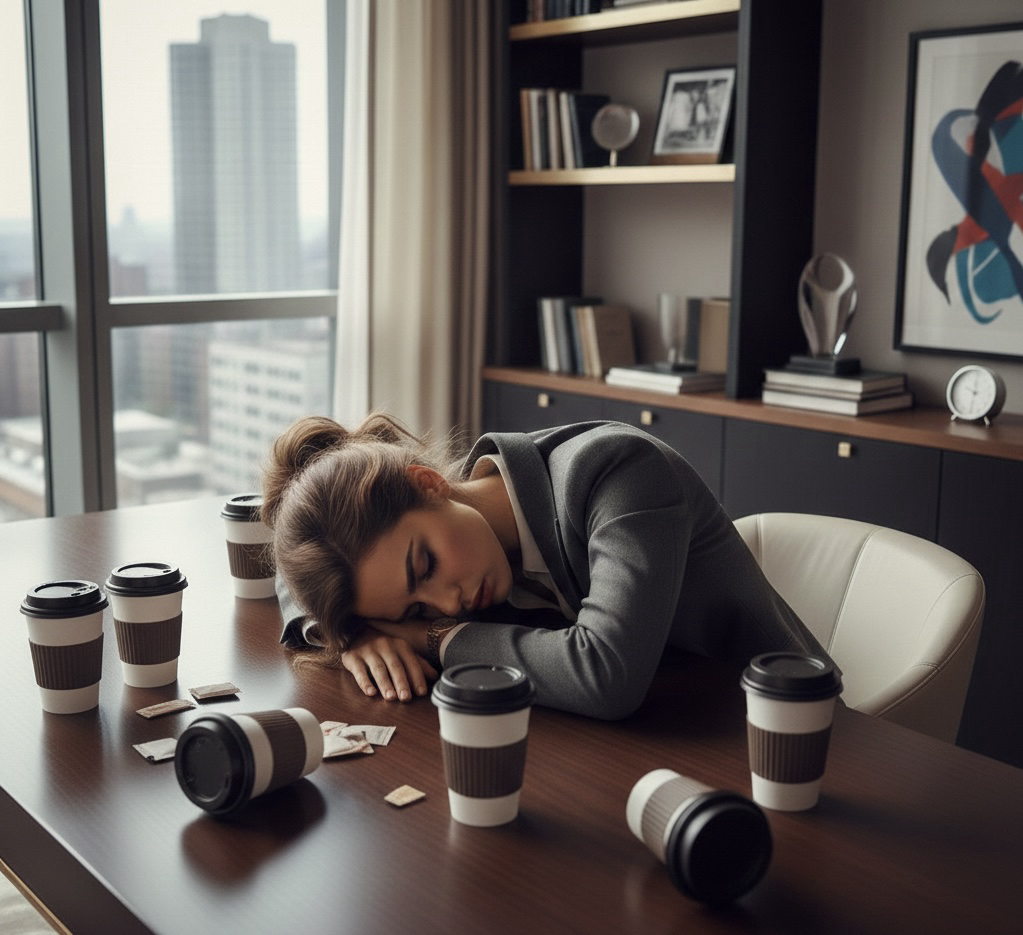
We’ve all had those nights when sleep is a luxury we can’t afford — deadlines, exams, babies, or just life happening. Three hours isn’t ideal, but sometimes you have to push through. Here’s how to survive and stay somewhat human until you can catch up.
1. Hydrate Early and Often
Water is your best friend when you’re running on minimal sleep. It helps your body stay alert and keeps fatigue from hitting too hard. Start your morning with a big glass and keep sipping throughout the day.
2. Eat Smart, Not Heavy
Your brain needs fuel, but heavy meals can make you feel even sleepier. Stick to light, protein-rich snacks, fruits, or nuts. Small energy boosts spread throughout the day work better than a huge carb-loaded lunch.
3. Strategic Caffeine
Coffee or tea can help, but timing matters. Avoid late-afternoon caffeine, or your next sleep window will suffer. A small boost in the morning or early afternoon is usually best.
4. Move Your Body
Stretch, walk, or do a few jumping jacks. Physical movement increases blood flow and helps your brain feel more awake — even when your eyelids are screaming for a nap.
5. Power Naps
Even 10–20 minutes can make a huge difference. Set an alarm and keep it short, so you don’t crash into deep sleep and feel groggier than before.
6. Bright Light & Fresh Air
Sunlight or bright artificial light helps reset your body clock and tricks your brain into alertness. Open a window or take a short walk outside if you can.
Frequently Asked Questions
Can I survive multiple days on only three hours of sleep?
Short-term, yes, but your body will pay the price: cognitive performance, mood, and immunity drop quickly. Recovery sleep is crucial after these nights.
Does caffeine replace sleep?
Nope. Caffeine can boost alertness temporarily, but it doesn’t fix the restorative functions of sleep. It’s a short-term tool, not a solution.
Is napping really effective if I’m extremely tired?
Yes! Even 10–20 minutes can improve alertness, mood, and performance without leaving you groggy — as long as you keep it short and avoid deep sleep.
Are there any long-term risks to sleeping so little?
Chronic sleep deprivation increases risk of heart disease, obesity, and impaired brain function. Three hours occasionally is manageable, but it shouldn’t become a habit.
Can exercise help when I’m sleep-deprived?
Absolutely! Light exercise increases circulation and alertness. Just avoid overexertion, which can backfire if your body is exhausted.
A Quick Note
Running on three hours of sleep is tough, but with smart hydration, movement, and micro-rests, you can get through your day. Just make sure to prioritize real sleep soon — your body and brain will thank you!
 Glowminded
Leave a comment